AboutTube Saddle
The story behind the pinch-flat solution.
Our Story
From trail flats to a working insert
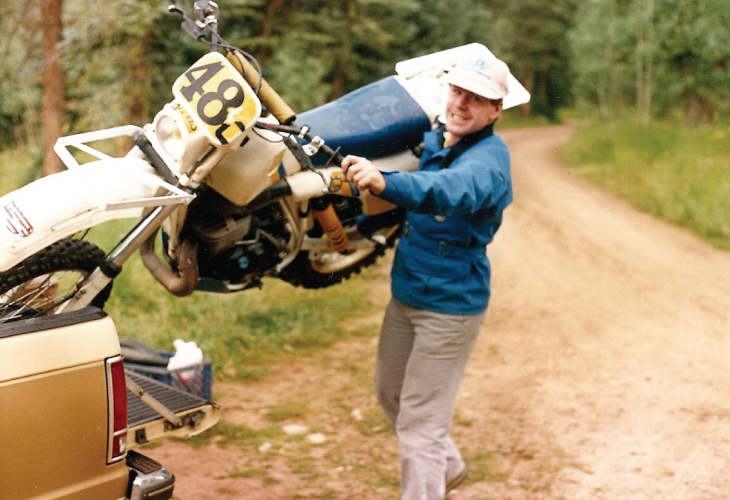
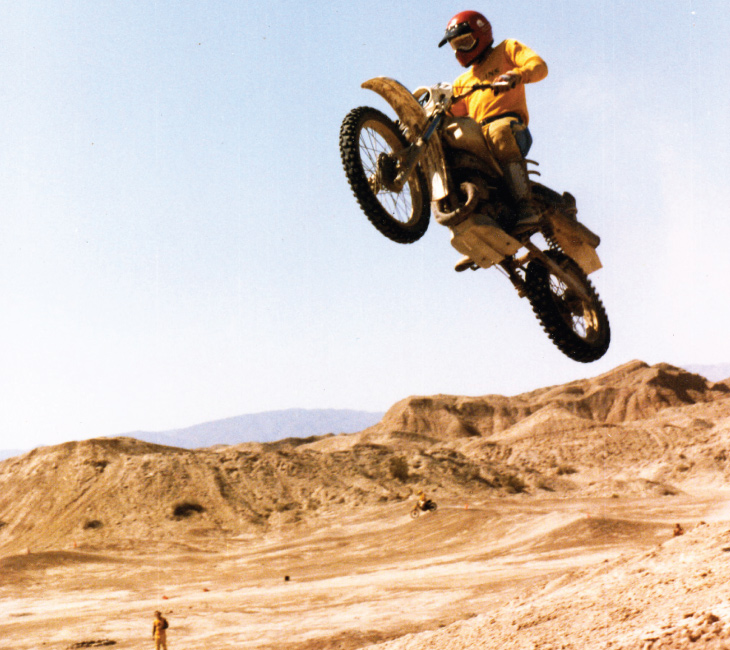
For the last 30 years I have been riding and racing Off-Road Motorcycles. In my early days as a beginner, I did not know much about tire pressure, and would just run whatever tire pressure my friends told me.
Like many of you, I would be out on a ride and occasionally hit something that caused an immediate flat tire. While replacing or patching the inner tube, I was surprised that often the leak was on the inside of the tube adjacent the rim.
Eventually somebody explained the cause: on impact, the bead of the tire pushes into the center of the rim and catches the inner tube, causing a pinch flat.
Low pressure was the whole point
Better traction, same old pinch-flat problem
As I progressed from beginner to expert, I started experimenting with running low tire pressure, usually about 10psi. I loved the improved traction and the fact that the bike would not deflect or bounce when hitting rocks.
10psi worked
More gripThe bike felt planted and stopped bouncing off rocks, but classic pinch flats still happened even with heavier duty tubes.
12-16psi advice
Conventional wisdomEveryone said to stay higher with heavy duty tubes to avoid pinch flats, which meant giving up the low-pressure feel.
Mousse Bibs
TradeoffsSolid foam inserts looked expensive, hard to install, and known to break down softer over roughly 400 miles.
Tube-less systems
Trail concernIf the seal failed out on the trail, getting the pneumatic seal to seat again could be a real problem.
Something came to me. Why not solve the pinch flat problem that occurs with conventional inner tubes?
The product decision
Keep the tube. Protect the failure zone.
Every previous attempt to solve the low pressure pinch flat dilemma involved getting rid of the inner tube. Making thicker and heavier inner tubes does not always work, and quite frankly is a very lame approach to the problem.
About five years ago I started experimenting with an insert to solve the pinch flat dilemma. It was such radical thinking at the time, most of my riding buddies thought I was nuts, and so did I.
After riding and racing with my inserts for five years at low pressure without one pinch flat, I knew I was on to something.
Serviceable on the trail, not a whole new system.
Archive
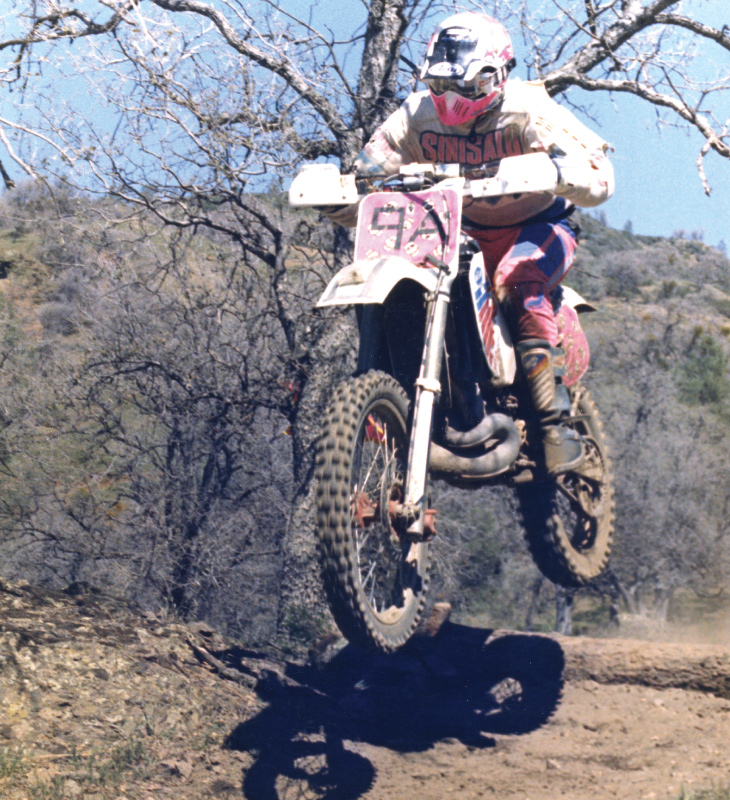
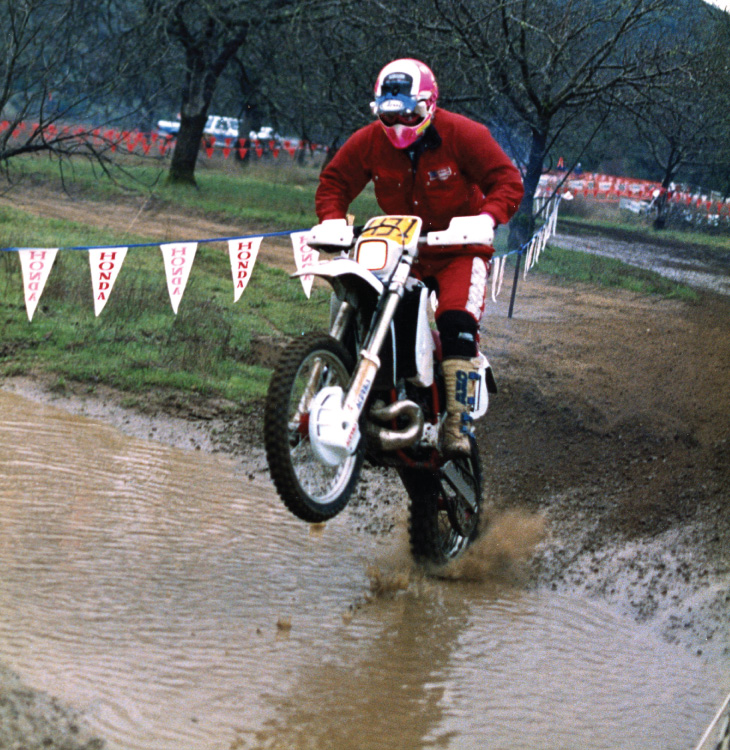
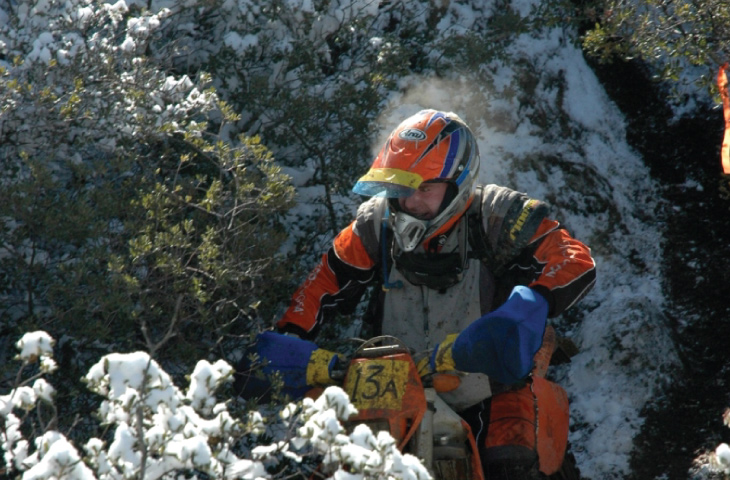
Built from riding, racing, and testing
The 2014 commitment
From radical concept to product
In 2014, I made the commitment to develop my “radically nutty concept” into a product. My goal was to keep the price as low as possible so as to reach the widest market of riders.
After extensive testing with numerous materials, prototypes, and riders, I finally developed a product ready for sale. It is reasonably priced, extremely light, easy to install, easy to adjust the pressure to your liking, and serviceable on the trail.
This is what I have been looking for the last 20 years, and now it is here. I firmly believe those who try my product will not be disappointed.